
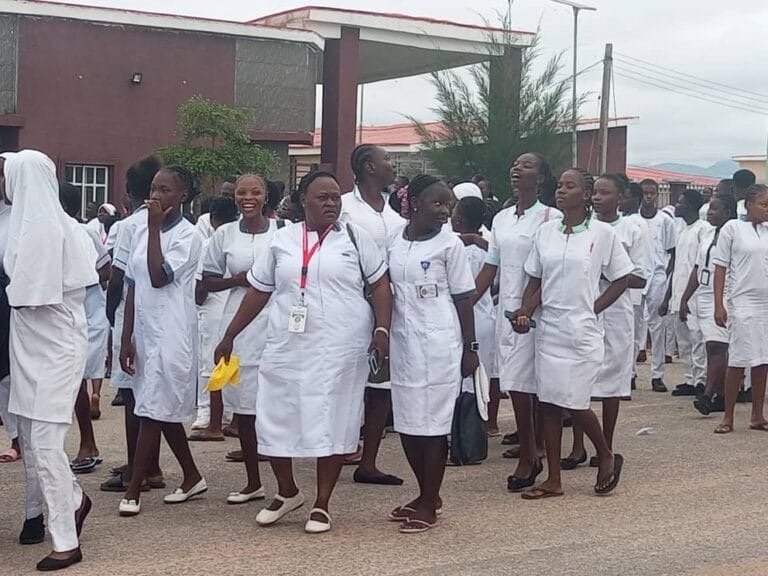
Hoodlums suspected to be robbers, in the early hours of Monday invaded a female hostel at the Taraba State College of Nursing Sciences, Jalingo, attacking the students and carting away valuables.
However, the students of the College staged a peaceful protest following the overnight attack on one of the female hostels located outside the institution’s premises.
Our correspondent in Taraba state understands that the hoodlums allegedly raped a female student during the attack and inflicted injuries on her, including cutting one of her fingers.
The attackers also dispossessed students of their phones and other valuables.
Sources said the victim was taken to GSCN Hospital in the Mile 6 area of Jalingo for treatment.
A students’ union official, who spoke on condition of anonymity, said the latest incident was the second attack on the students’ hostels within two weeks.
He said the attackers had raided some hostels the previous week and stole phones and other valuables belonging to students.
“Yesterday night, the hoodlums came in their numbers and attacked one of the female students’ hostels. They raped one of the students and also carted away phones belonging to the students and other valuables.
“They also cut one of the fingers of the student after raping her. She is now on admission at a private hospital located at Mile 6 area in Jalingo,” he said.
According to him, students had complained to the school authorities following the first attack, after which the Commissioner for Tertiary Education visited the college and promised improved security.
“When the first attack happened last week, we complained to the school authorities and the Commissioner of Tertiary Education visited the college and promised that security measures would be put in place in all the hostels, but nothing was done,” he said.
The students subsequently staged a protest at the college gate on Monday, demanding urgent intervention by the Taraba State Government and security agencies to protect them from further attacks.
The students also raised concerns over the continued use of hostels located outside the college premises despite the completion of hostel facilities within the institution.
The students’ union official said the college has seven hostels — one for male students and six for females but that students were still accommodated outside the premises.
“We have seven hostels, one for male and six for female, but students are all located outside the premises of the college and there is no adequate security, which exposed us, the students, to danger,” he said.
The attack comes days after the Taraba State Ministry of Tertiary Education visited the College of Nursing Sciences following a reported robbery attack on students’ hostels.
The Provost of the college, Dr Dorcas Dugule, when contacted, confirmed that she was handling the matter but declined to comment immediately.
“I am on top of the issue. I will not speak; please give me time,” she said.

About the author


Rwanda vs Nigeria: Chelle reignites the Super Eagles’ aspirations for the 2026 World Cup in Kigali.
On Friday, Eric Chelle became the inaugural non-Nigerian African coach to take the helm of the Super Eagles. The Malian coach directed his first match, resulting in a 2-0 win against Rwanda during a qualifying round for the 2026 World Cup. Chelle's appointment by the Nigeria Football Federation (NFF) took place on January 7, as he replaced Finidi George and succeeded interim coach Augustine Eguavoen. Since that time, he has dedicated three months to traveling across Nigeria, observing domestic league matches, and engaging with his players based in Europe. However, his initial team selection remained perplexing. Chelle opted for a highly offensive formation in Kigali, which appeared unbalanced on paper. Victor Osimhen, Samuel Chukwueze, Ademola Lookman, and Moses Simon were all included in the attacking lineup, while Alex Iwobi and Wilfred Ndidi occupied the midfield positions. "I had mixed feelings. […]

Tinubu extends vacation in Europe, returns at weekend
The Presidency on Monday announced that President Bola Tinubu has extended his working vacation by a few days. The Presidency said Tinubu is expected to return to Nigeria at the weekend. Tinubu departed Nigeria on August 30 for London to begin the vacation before travelling to Paris, France, where he met French President Emmanuel Macron and businessman Vincent Bolloré. A statement by the President’s Special Adviser on Information and Strategy, Bayo Onanuga, said Tinubu had remained in touch with developments at home and continued to direct the affairs of the country while away. The statement said Tinubu, among other directives, ordered an independent panel to investigate the death of 37 illegal miners in Minna following their detention by the Nigeria Security and Civil Defence Corps. “President Tinubu will return to Nigeria at the weekend, following the extension of his working […]
Protest as hoodlums invade Nursing School female hostel, rape student
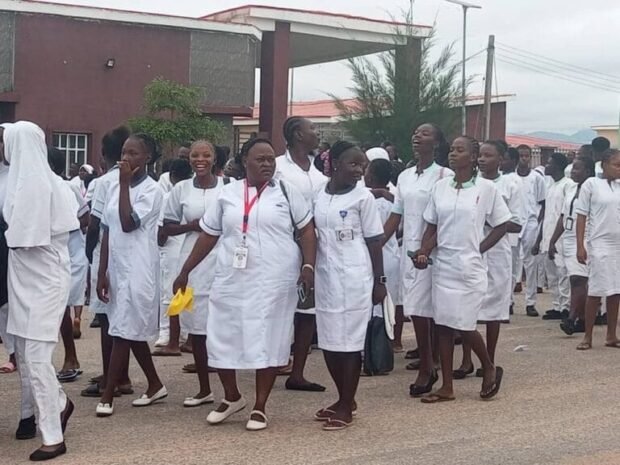
Hoodlums suspected to be robbers, in the early hours of Monday invaded a female hostel at the Taraba State College of Nursing Sciences, Jalingo, attacking the students and carting away valuables. However, the students of the College staged a peaceful protest following the overnight attack on one of the female hostels located outside the institution’s premises. Our correspondent in Taraba state understands that the hoodlums allegedly raped a female student during the attack and inflicted injuries on her, including cutting one of her fingers. The attackers also dispossessed students of their phones and other valuables. Sources said the victim was taken to GSCN Hospital in the Mile 6 area of Jalingo for treatment. A students’ union official, who spoke on condition of anonymity, said the latest incident was the second attack on the students’ hostels within two weeks. He said […]

Niger miners’ deaths: NSCDC parades suspended commandant
* arretse more officers The Nigeria Security and Civil Defence Corps (NSCDC) on Sunday paraded Commandant Suberu Aniviye, who was suspended over the deaths of suspected illegal miners in the Corps’ custody in Niger State. The Corps Public Relations Officer, ACC Babawale Afolabi, who disclosed this in a statement, said Aniyiye was paraded at the headquarters of the corps in Abuja, alongside others linked to the incident. Afolabi said three more personnel have been suspended in connection with the tragedy. He said that Professor Ahmed Audi, Commandant-General of NSCDC, has given assurance that due process, transparency and accountability would be strictly followed in the investigation of the personnel of the Corps currently held in custody. He added that Audi assured that every single personnel found culpable would face the full weight of internal disciplinary measures and the law. “In […]
Ex-Kogi Governor, Idris dies at 77
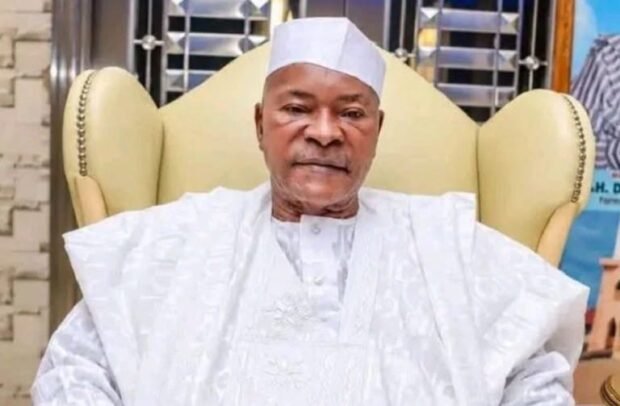
The former governor of Kogi state, Alhaji Idris Ibrahim was announced dead yesterday. Idris governed Kogi State from 2003 to 2012 on the platform of the Peoples Democratic Party (PDP), first defeating then-incumbent governor, Prince Abubakar Audu, in 2003. His 2007 election was later nullified by the courts, but he won the 2008 rerun and completed his tenure in January 2012, handing over to Captain Idris Wada. A statement yesterday in Lokoja, the state capital, by Information and Communication Commissioner Kingsly Fanwo, announced the demise of the former governor. Governor Ahmed Ododo, who had earlier visited the Idris family, expressed deep sorrow over the death of a former governor and commiserated with the Idris family. Ododo described the death of the former governor as a profound loss to the state and Nigeria. The governor also declared a three-day mourning period […]
Ondo ‘monkey tail’ tragedy: Seven victims suffered total, partial blindness – NAFDAC
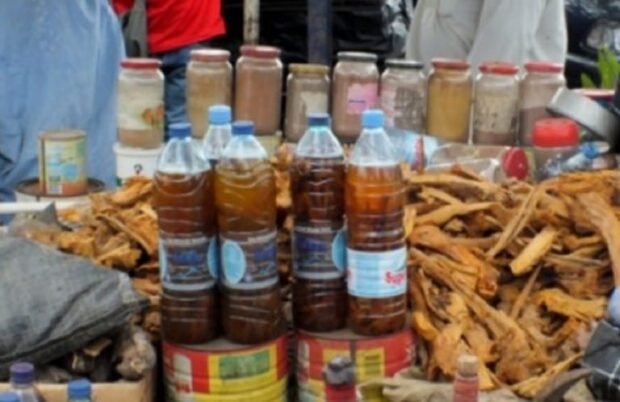
The National Agency for Food and Drug Administration and Control (NAFDAC) confirmed that seven people have suffered from total or partial blindness after consuming methanol-contaminated alcoholic and herbal concoctions in Ondo State. Our correspondent in Ondo state reports that the tragedy followed an outbreak of suspected methanol poisoning tied to a locally brewed herbal alcoholic drink popularly known as “Monkey Tail” in Odigbo and Irele Local Government Areas of the state. NAFDAC, in an update on the incident by its Director-General, Professor Mojisola Adeyeye, said the outbreak was initially reported in early September following cases of sudden illness and deaths among people who reportedly consumed the suspected products. The Agency says preliminary laboratory analysis has detected high concentrations of methanol in locally prepared alcoholic and herbal concoctions linked to the deaths of 48 people. It confirmed that 182 cases had […]

FG suspends NSCDC commandant over deaths of 30 illegal miners, begins investigation
The Commandant General of the Nigeria Security and Civil Defence Corps (NSCDC), Prof. Ahmed Abubakar Audi, has ordered the removal of the Niger State Commandant of the corps over the deaths of 30 illegal miners in the custody of the State Command. He has also directed a full-scale, transparent and unhindered investigation into the circumstances surrounding the deaths of illegal miners in the custody. The heads of Operations, Mining, Legal, Intelligence and Investigation have also been invited for thorough investigation. Over 30 arrested illegal miners in the custody of the Niger State Command reportedly died mysteriously. Assistant Commandant of Corps, Babawale Afolabi, National Public Relations Officer of the NSCDC, in a statement on Friday morning, said the order followed a directive by the Minister of Interior, Tunji Ojo. Afolabi added that the CG had directed a new Commandant to proceed […]
Related
Tinubu extends vacation in Europe, returns at weekend
The Presidency on Monday announced that President Bola Tinubu has extended his working vacation by a few days. The Presidency said Tinubu is expected to return to Nigeria at the weekend. Tinubu departed Nigeria on August 30 for London to begin the vacation before travelling to Paris, France, where he met French President Emmanuel Macron and businessman Vincent Bolloré. A statement by the President’s Special Adviser on Information and Strategy, Bayo Onanuga, said Tinubu had remained in touch with developments at home and continued to direct the affairs of the country while away. The statement said Tinubu, among other directives, ordered an independent panel to investigate the death of 37 illegal miners in Minna following their detention by the Nigeria Security and Civil Defence Corps. “President Tinubu will return to Nigeria at the weekend, following the extension of his working […]
Niger miners’ deaths: NSCDC parades suspended commandant
* arretse more officers The Nigeria Security and Civil Defence Corps (NSCDC) on Sunday paraded Commandant Suberu Aniviye, who was suspended over the deaths of suspected illegal miners in the Corps’ custody in Niger State. The Corps Public Relations Officer, ACC Babawale Afolabi, who disclosed this in a statement, said Aniyiye was paraded at the headquarters of the corps in Abuja, alongside others linked to the incident. Afolabi said three more personnel have been suspended in connection with the tragedy. He said that Professor Ahmed Audi, Commandant-General of NSCDC, has given assurance that due process, transparency and accountability would be strictly followed in the investigation of the personnel of the Corps currently held in custody. He added that Audi assured that every single personnel found culpable would face the full weight of internal disciplinary measures and the law. “In […]
Ex-Kogi Governor, Idris dies at 77
The former governor of Kogi state, Alhaji Idris Ibrahim was announced dead yesterday. Idris governed Kogi State from 2003 to 2012 on the platform of the Peoples Democratic Party (PDP), first defeating then-incumbent governor, Prince Abubakar Audu, in 2003. His 2007 election was later nullified by the courts, but he won the 2008 rerun and completed his tenure in January 2012, handing over to Captain Idris Wada. A statement yesterday in Lokoja, the state capital, by Information and Communication Commissioner Kingsly Fanwo, announced the demise of the former governor. Governor Ahmed Ododo, who had earlier visited the Idris family, expressed deep sorrow over the death of a former governor and commiserated with the Idris family. Ododo described the death of the former governor as a profound loss to the state and Nigeria. The governor also declared a three-day mourning period […]
Ondo ‘monkey tail’ tragedy: Seven victims suffered total, partial blindness – NAFDAC
The National Agency for Food and Drug Administration and Control (NAFDAC) confirmed that seven people have suffered from total or partial blindness after consuming methanol-contaminated alcoholic and herbal concoctions in Ondo State. Our correspondent in Ondo state reports that the tragedy followed an outbreak of suspected methanol poisoning tied to a locally brewed herbal alcoholic drink popularly known as “Monkey Tail” in Odigbo and Irele Local Government Areas of the state. NAFDAC, in an update on the incident by its Director-General, Professor Mojisola Adeyeye, said the outbreak was initially reported in early September following cases of sudden illness and deaths among people who reportedly consumed the suspected products. The Agency says preliminary laboratory analysis has detected high concentrations of methanol in locally prepared alcoholic and herbal concoctions linked to the deaths of 48 people. It confirmed that 182 cases had […]
FG suspends NSCDC commandant over deaths of 30 illegal miners, begins investigation
The Commandant General of the Nigeria Security and Civil Defence Corps (NSCDC), Prof. Ahmed Abubakar Audi, has ordered the removal of the Niger State Commandant of the corps over the deaths of 30 illegal miners in the custody of the State Command. He has also directed a full-scale, transparent and unhindered investigation into the circumstances surrounding the deaths of illegal miners in the custody. The heads of Operations, Mining, Legal, Intelligence and Investigation have also been invited for thorough investigation. Over 30 arrested illegal miners in the custody of the Niger State Command reportedly died mysteriously. Assistant Commandant of Corps, Babawale Afolabi, National Public Relations Officer of the NSCDC, in a statement on Friday morning, said the order followed a directive by the Minister of Interior, Tunji Ojo. Afolabi added that the CG had directed a new Commandant to proceed […]

State Assemblies receive State Police Bill for concurrence
A major step in the move to establish state police was taken yesterday with the National Assembly transmitting the Constitution Alteration Bill to state Houses of Assembly for concurrence. The Constitution requires the concurrence of two-thirds of the 36 state Houses of Assembly to alter any provision after passage by the National Assembly. Not less than 24 states are required for the concurrence.The Constitution requires the concurrence of two-thirds of the 36 state Houses of Assembly to alter any provision after passage by the National Assembly. Both the Senate and the House of Representatives passed the executive bill seeking to alter the Constitution to allow for state police before embarking on their vacation. Clerk to the National Assembly, Mr Kamoru Ogunlana, said in a statement that although there is no fixed constitutional period for the state Assemblies to conclude work […]
Be the first to leave a comment